
Last updated September 10, 2026
Full 25-point door and opener safety check with every visit - springs, cables, rollers, tracks, and your LiftMaster or Chamberlain opener included
You get a price before we start. It does not change when the truck arrives.
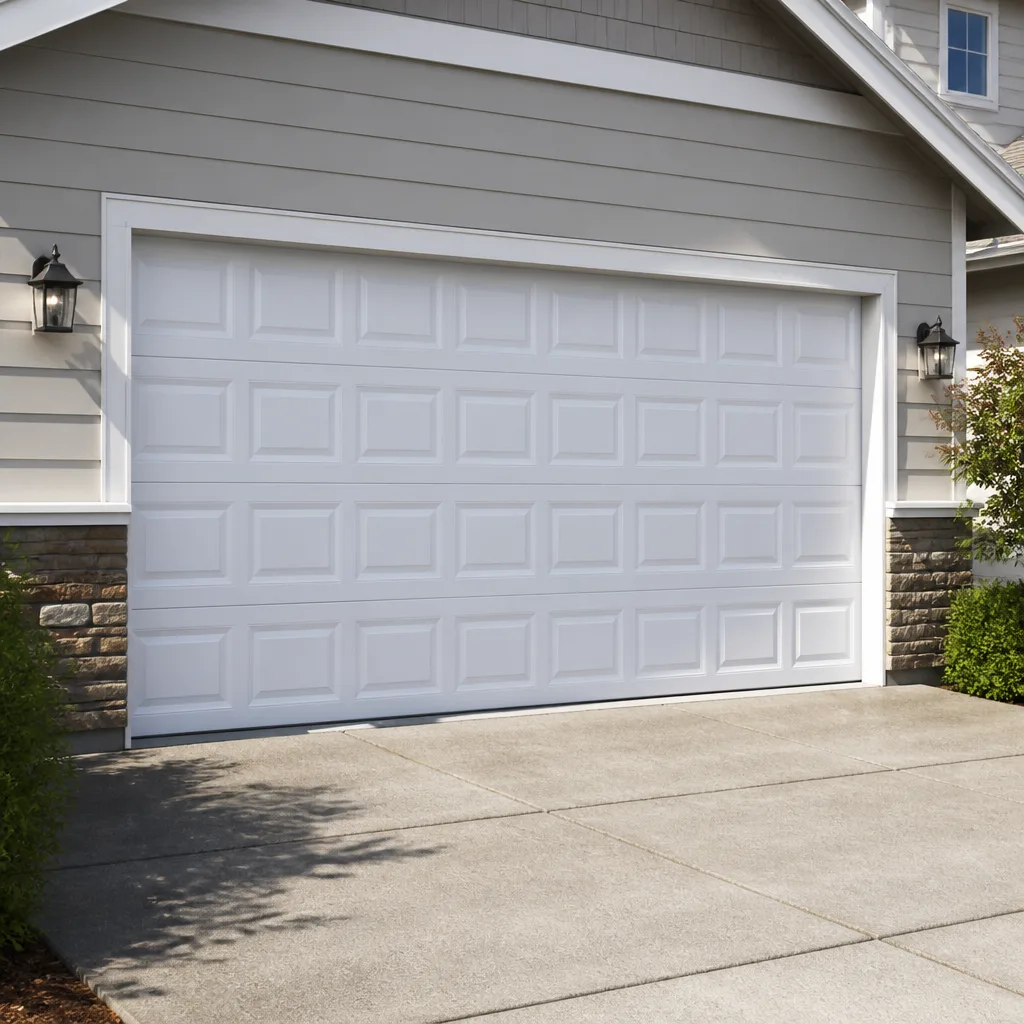
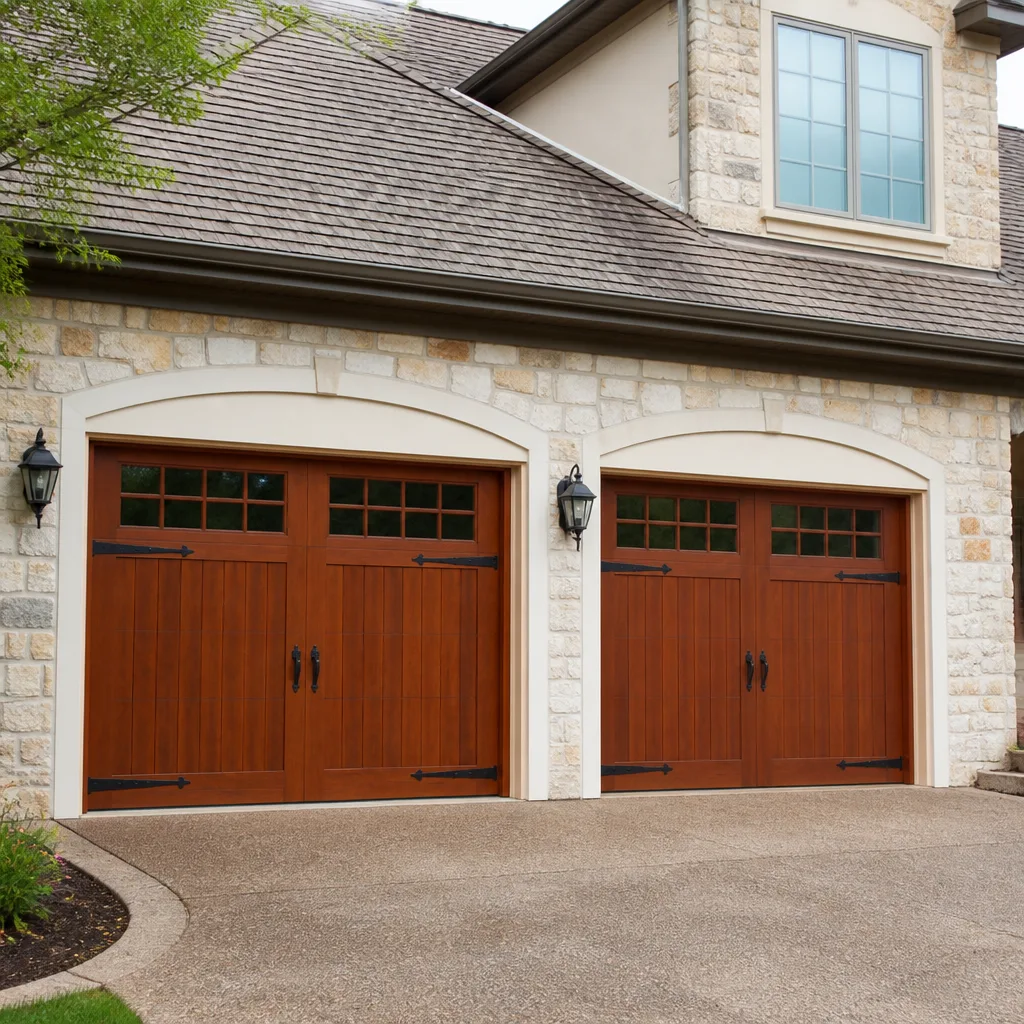
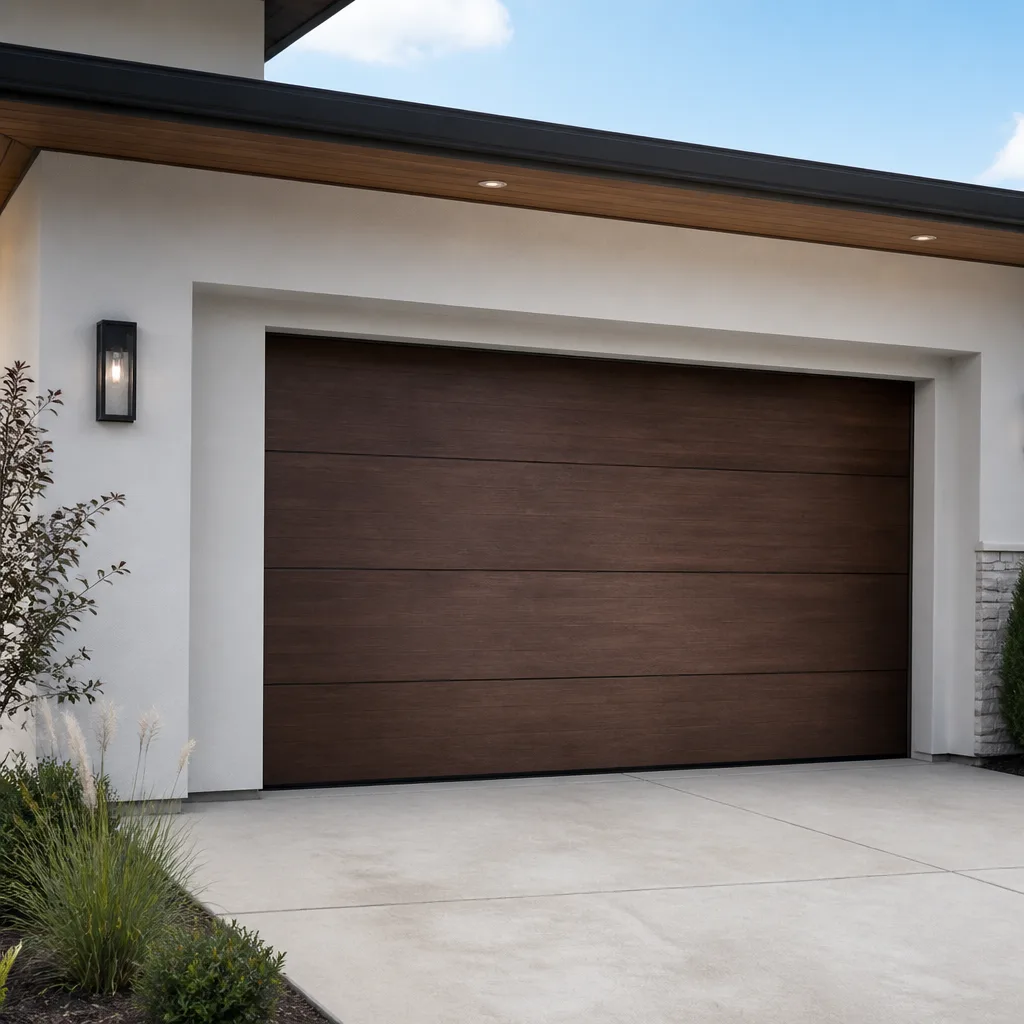
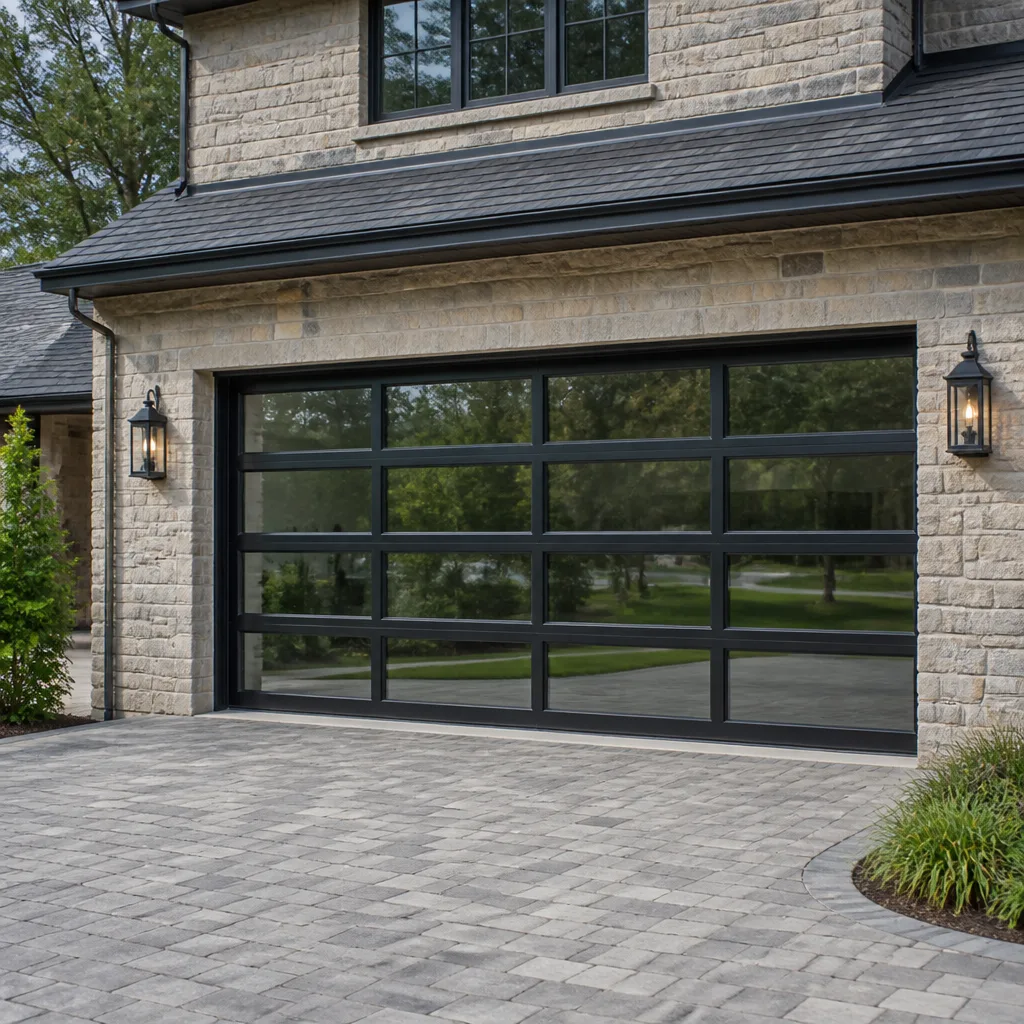
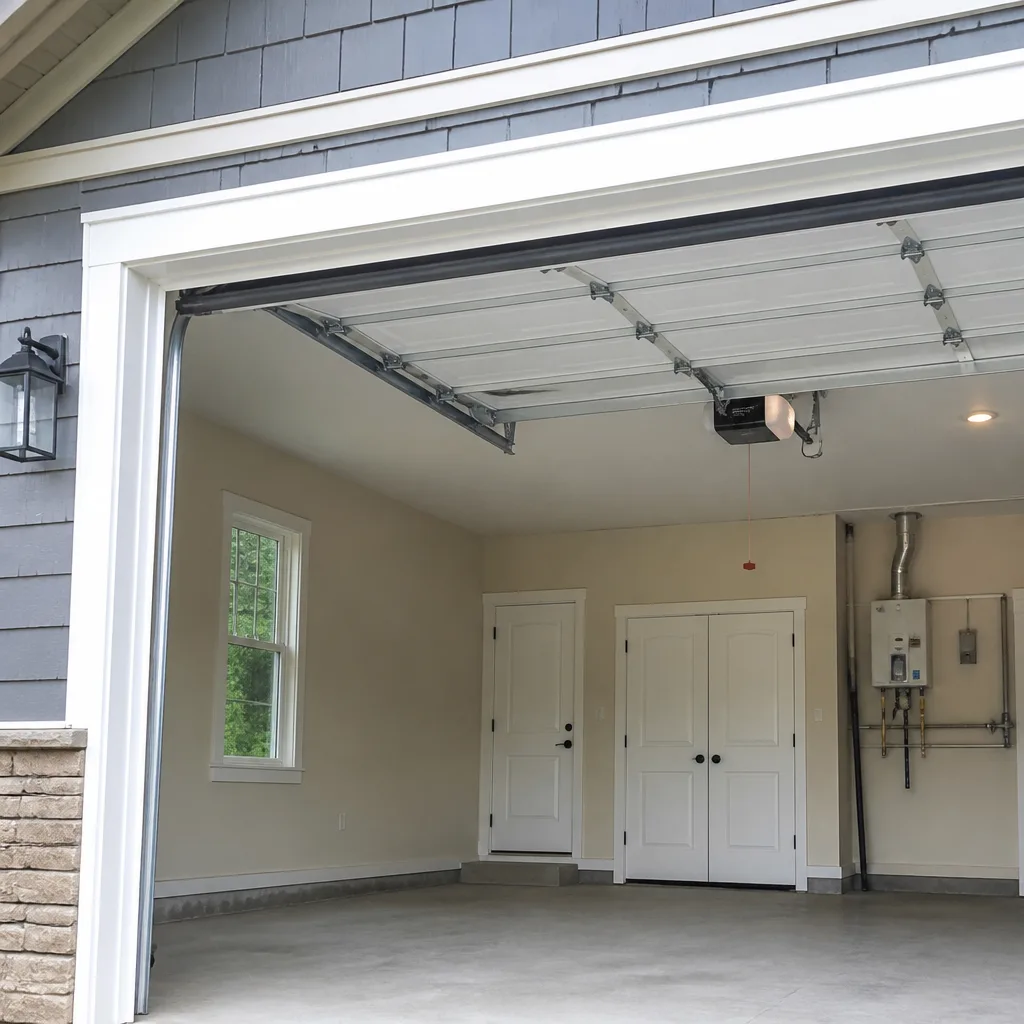
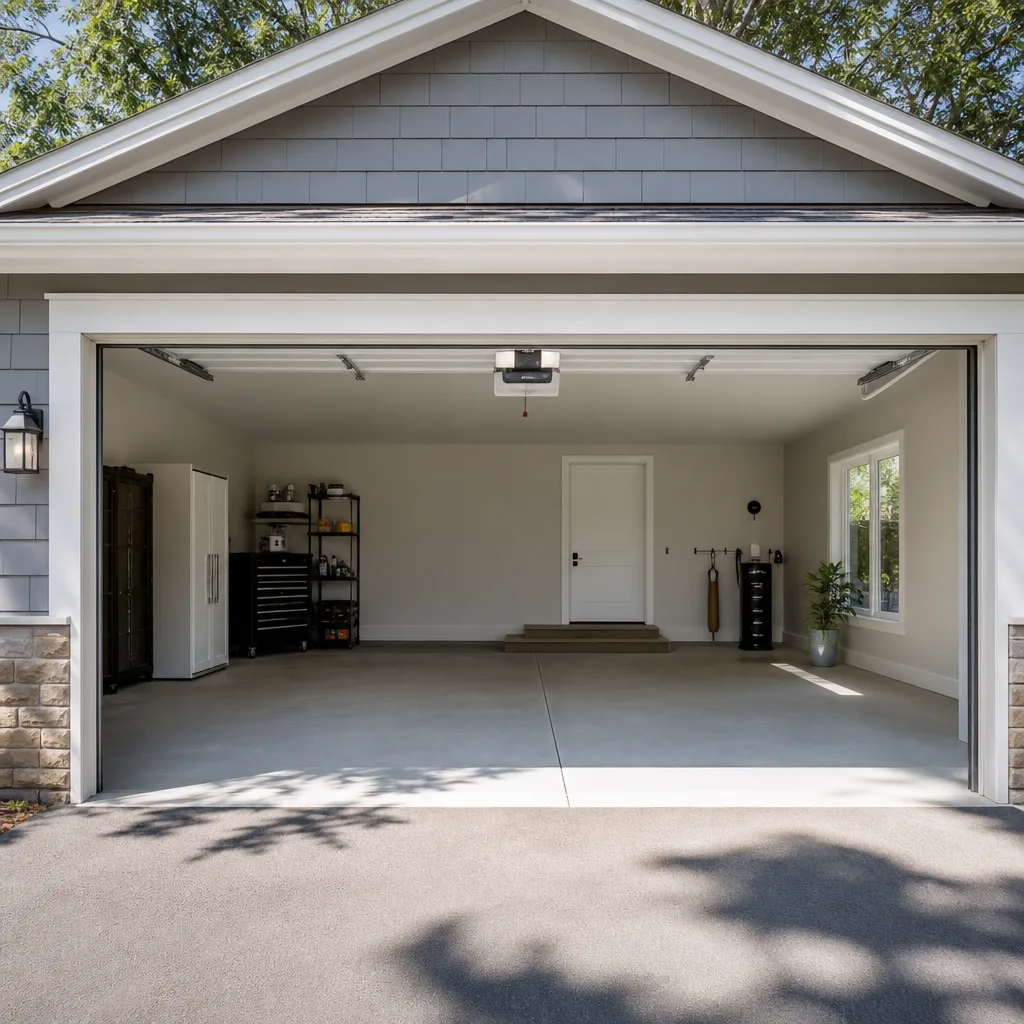
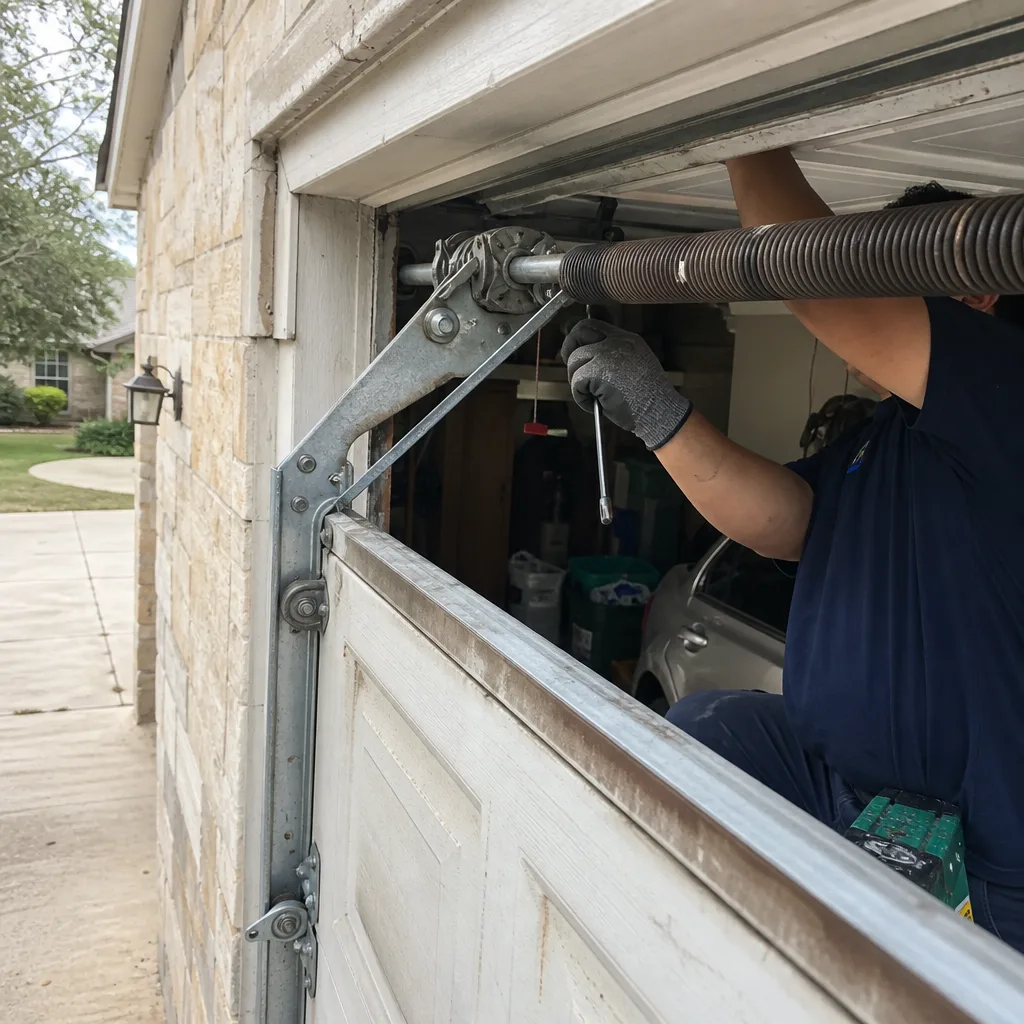 Before
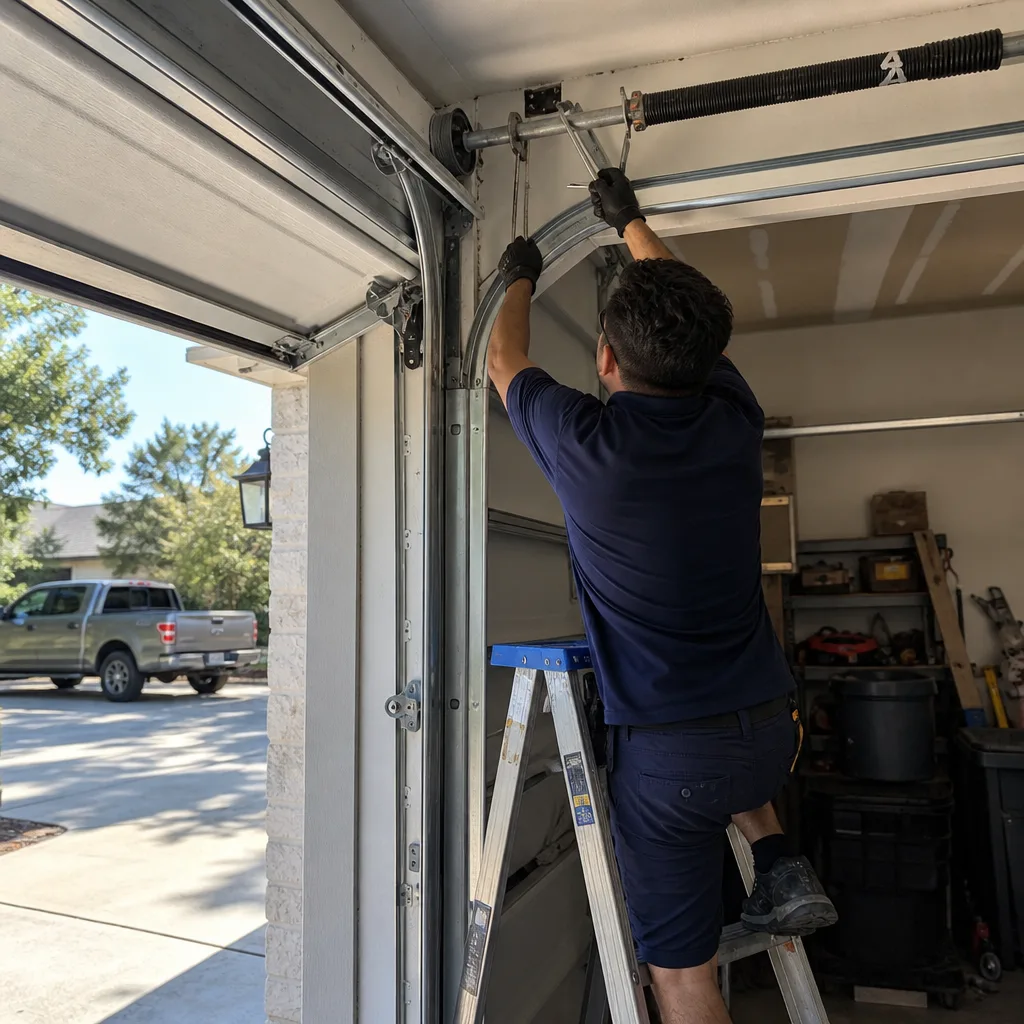 After
After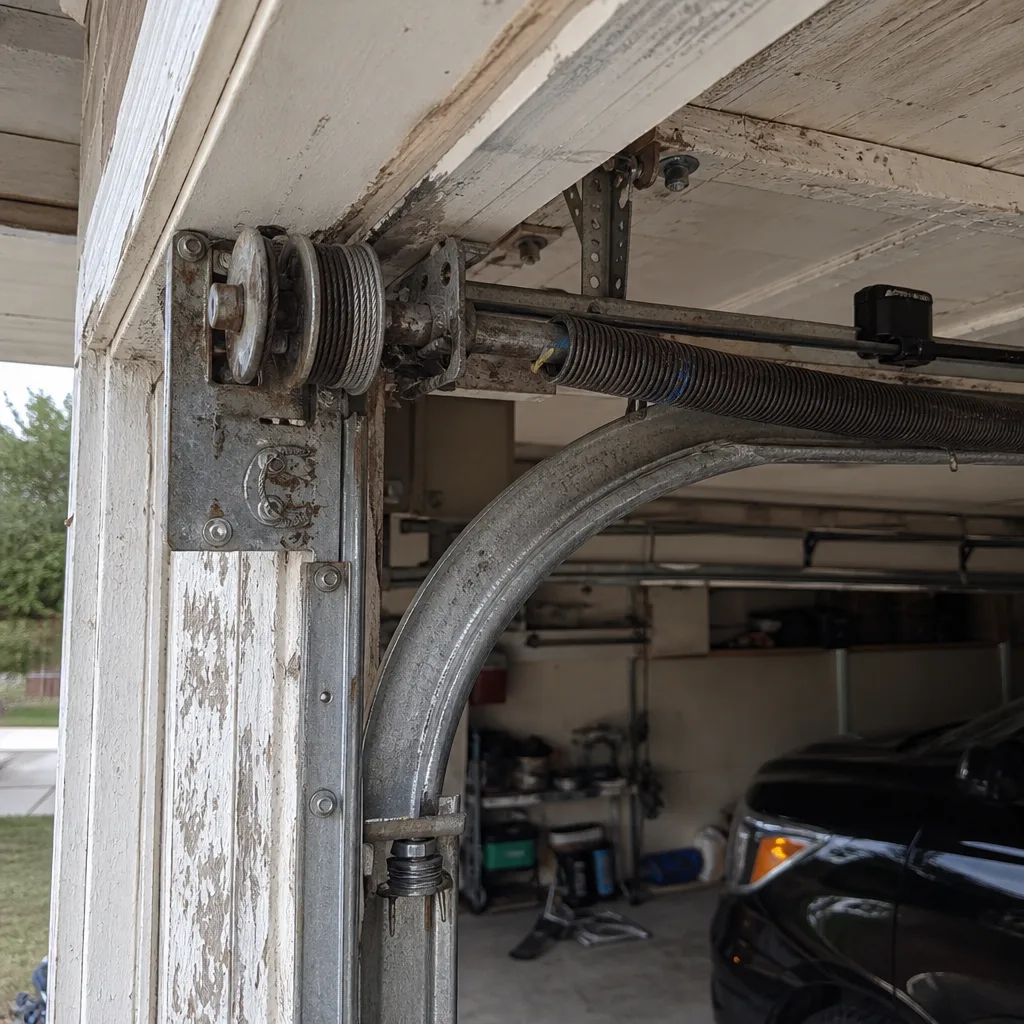 Before
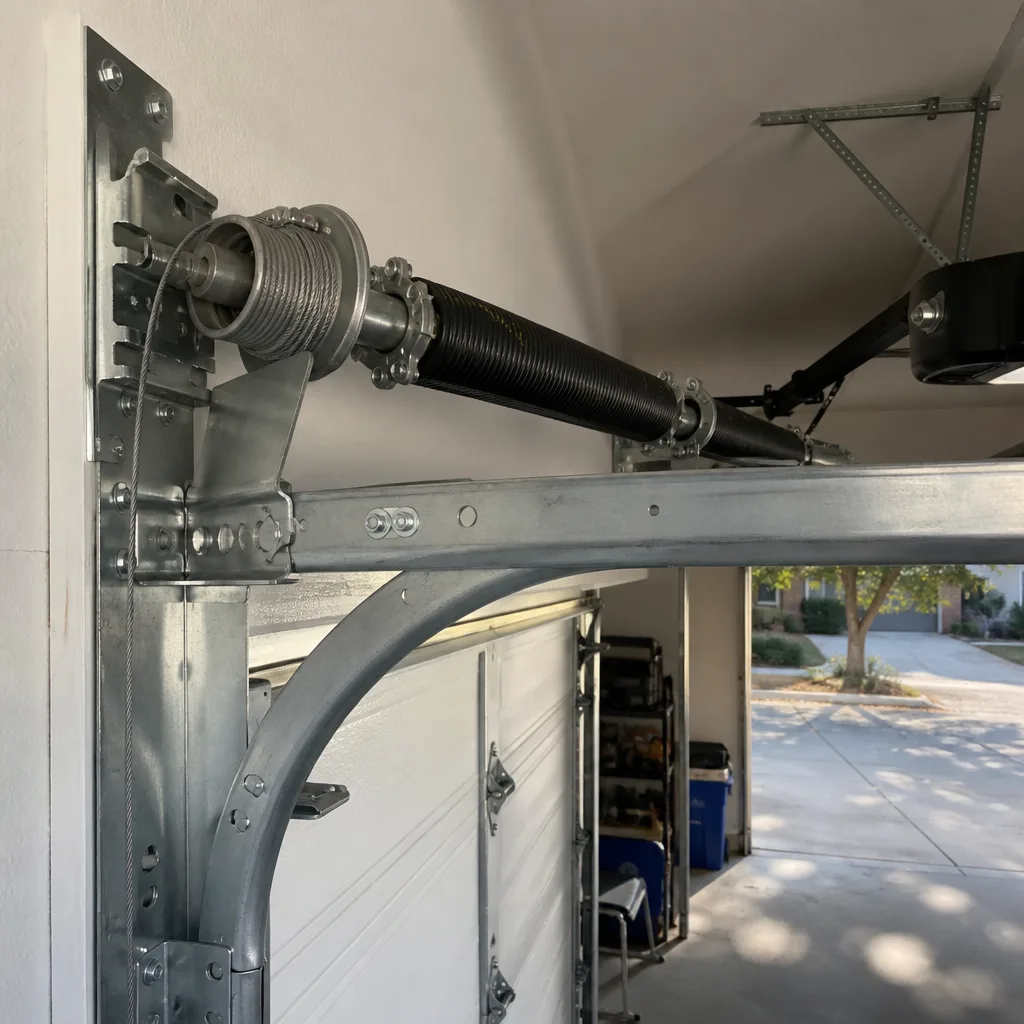 After
After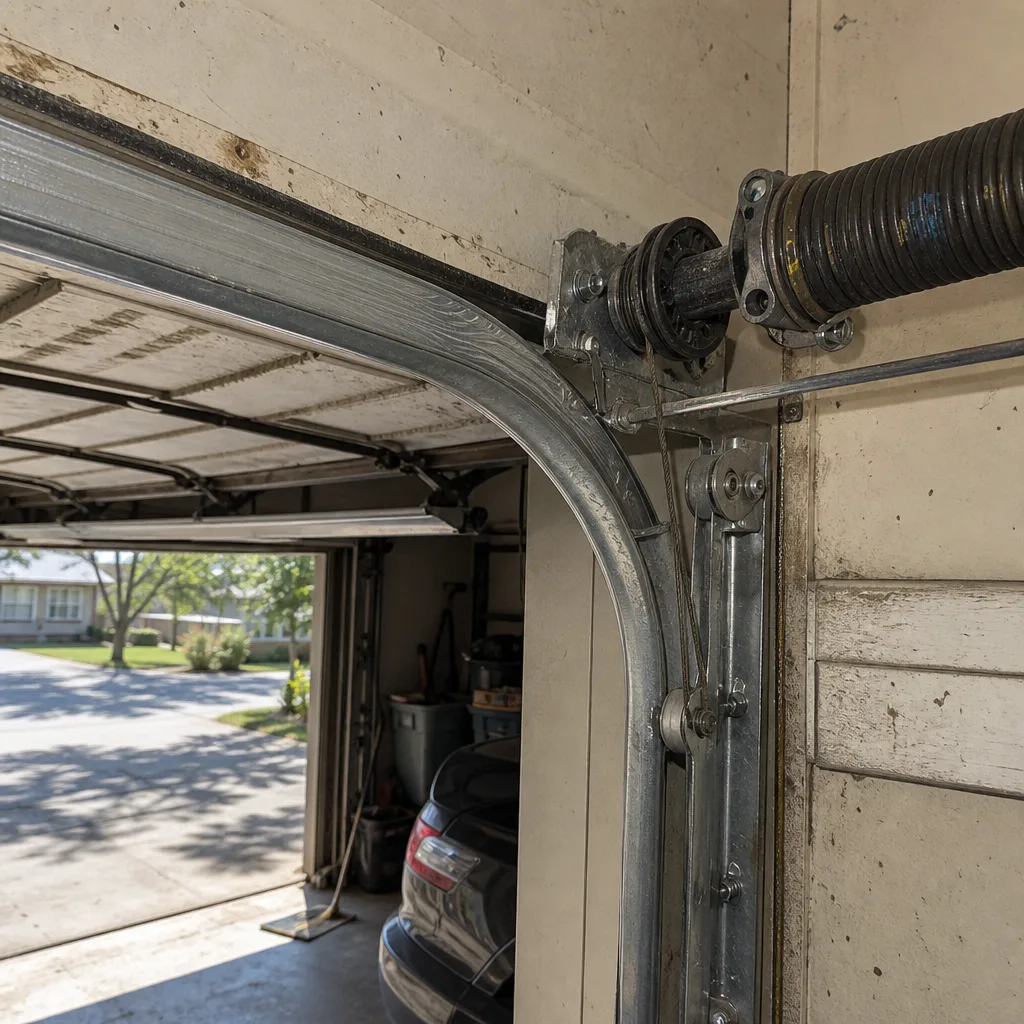 Before
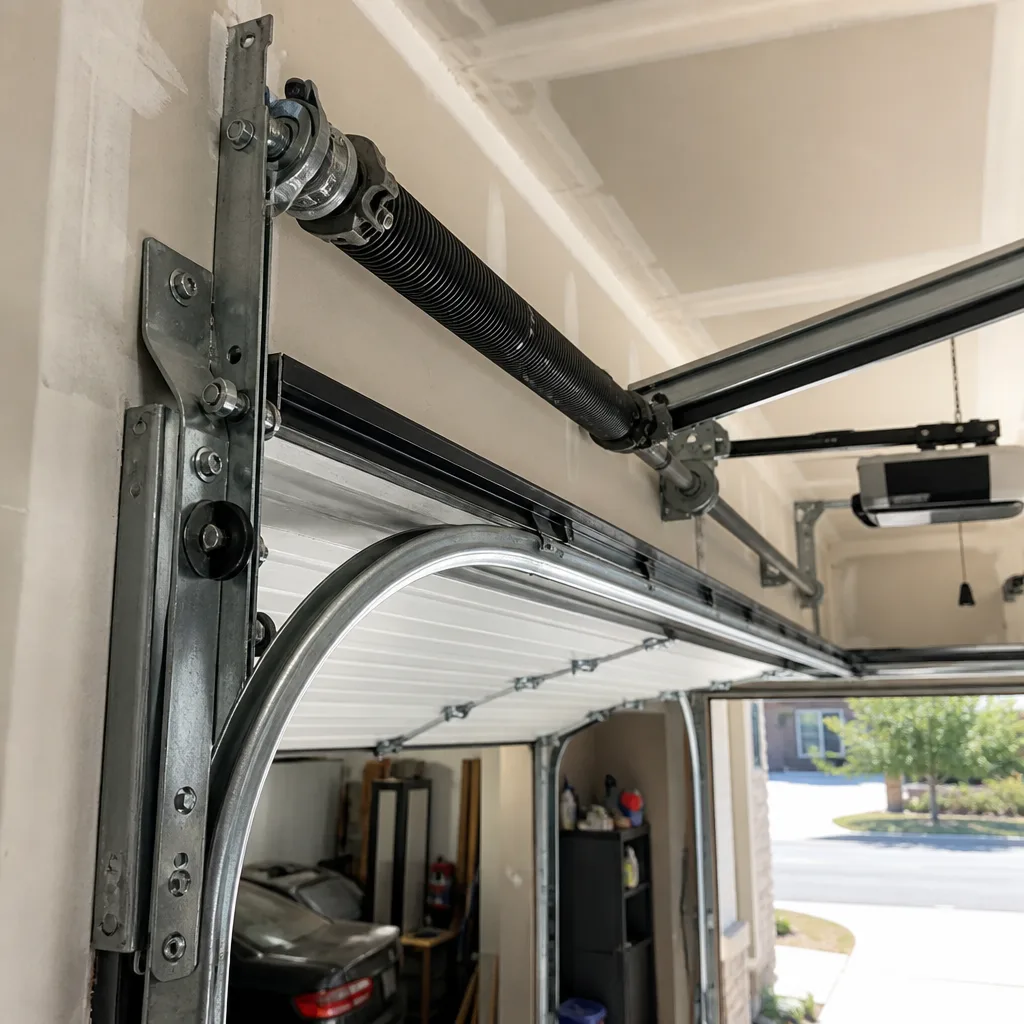 After
AfterSeasonal Garage Door Care for Boerne: Year-Round Homeowner’s Guide
The most common time a garage door spring breaks in Boerne is the first cold morning after a long stretch of 95-degree days. That rapid contraction after months of heat expansion is the exact mechanism most seasonal guides never mention. In our 42 years serving the Hill Country, we’ve learned that Boerne doesn’t follow a four-season calendar when it comes to garage doors. This guide replaces the generic spring-summer-fall-winter framework with the two-phase maintenance schedule from our Complete Guide to Garage Door in Boerne that actually prevents the failures we see most often in Kendall County homes.
Quick Answer
Boerne homeowners should maintain garage doors on a two-phase schedule: pre-heat-season tasks in March and pre-freeze-season tasks in October. Key jobs include lubricating moving parts with temperature-appropriate products, inspecting weatherstripping before summer heat degrades it, and checking spring tension after the first hard freeze. Most seasonal problems are preventable with twice-yearly attention timed to our actual climate stress points, as detailed in our DIY vs Professional Garage Door guide for Boerne homeowners.
Table of Contents
- Why Boerne’s Climate Breaks the Four-Season Model
- Pre-Heat-Season Maintenance: March Checklist
- How Prolonged Summer Heat Attacks Your Door
- Post-Hail Inspection Protocol for Boerne Homes
- Pre-Freeze-Season Maintenance: October Checklist
- Winter Freeze Protocol and Bottom Seal Care
- Lubrication Timing: The Temperature Window Most People Miss
- Common Mistakes to Avoid
- When to Call a Professional
- Frequently Asked Questions
- The Bottom Line
Why Boerne’s Climate Breaks the Four-Season Model
Most garage door maintenance guides assume you live somewhere with four distinct seasons. They tell you to do certain tasks “in spring” and others “in fall.” That works fine for Ohio or Pennsylvania. It fails in Boerne.
Our climate has two demanding periods and two transition windows. The demanding periods are the long heat season, roughly May through September, and the freeze season, typically December through February. The transitions are brief and unpredictable. A week in March might swing from 45 degrees to 85 degrees. October can deliver a 90-degree day followed by a frost warning.
This matters because garage door components respond to temperature extremes, not to calendar pages. Springs expand in heat and contract in cold. Lubricants thin when it’s hot and thicken when it’s cold. Weatherstripping compound softens and migrates in sustained heat. Concrete slabs expand and contract with soil moisture changes.
In Fair Oaks Ranch and other Hill Country neighborhoods with limestone geology, we’ve noticed another factor: the thin topsoil and shallow bedrock mean ground temperatures shift faster than in clay-soil regions. Your garage slab experiences more thermal cycling than equivalent construction in Houston or Dallas. That affects how the door frame settles and how the bottom seal meets the floor.
The two-phase approach we recommend aligns maintenance with actual stress points rather than calendar mythology. Pre-heat-season work in March prepares components for five months of thermal expansion and UV exposure. Pre-freeze-season work in October addresses the contraction and brittleness that cold mornings bring.
Pre-Heat-Season Maintenance: March Checklist
March in Boerne is unpredictable by design. That unpredictability is useful. You’re checking and adjusting components before the sustained heat arrives, while temperatures still allow proper lubricant application.
Step-by-Step March Inspection
- Test door balance with the opener disconnected. Pull the red release cord and lift the door manually to waist height. A properly balanced door stays put. If it drifts up or down, the spring tension needs adjustment. In The Dominion and other Boerne subdivisions with large custom doors, we’ve found that spring fatigue often shows up first as slight imbalance rather than complete failure.
- Inspect all rollers for cracks and wobble. Nylon rollers degrade from UV even in a shaded garage. Steel rollers develop flat spots. Replace any roller that doesn’t spin freely or shows visible damage.
- Check weatherstripping at the top and sides. The flexible vinyl or rubber compound should rebound when pressed. If it stays compressed or shows surface cracking, replace it before summer heat accelerates the degradation. In our experience, Boerne’s UV intensity destroys weatherstripping about 30% faster than the manufacturer’s national estimates.
- Examine the bottom seal for tears and proper contact. Close the door and look for daylight underneath. A seal that gaps in March will leak badly during July dust storms and allow conditioned air escape that your AC will pay for.
- Inspect cables for fraying and proper drum wrap. Look for broken strands, especially near the bottom bracket where cables flex most. Do not touch or adjust high-tension cables yourself. Note any concerns for a professional.
- Tighten all track bolts and hanger brackets. Thermal cycling loosens hardware over time. Use a socket wrench, not pliers, to avoid rounding bolt heads.
- Apply lubricant to hinges, rollers, and bearings. See the lubrication timing section below for product selection and temperature requirements.
- Test all safety systems. Place a 2×4 flat on the floor under the door path and close the door. It should reverse on contact. Check photo-eye alignment by breaking the beam with your leg during closing.
- Inspect the opener rail and chain/belt for wear. Belt-drive openers from Genie and other manufacturers develop slack that affects close-force calibration. Chain drives need periodic tension checks.
- Clear and test the manual release. The red handle should move freely and fully disengage the trolley. Many Boerne homeowners discover this stuck only when the power fails during a summer storm.
Complete this checklist before the first sustained week above 85 degrees. Petroleum-based lubricants applied in hot weather run off before they penetrate. Weatherstripping replaced in July is installed while the material is already expanded to its maximum dimension, meaning it gaps when winter contracts it.
How Prolonged Summer Heat Attacks Your Door
Boerne’s summer heat is not merely uncomfortable. It actively degrades specific garage door components in ways that become expensive if ignored.
Weatherstripping compound migration. The flexible vinyl or rubber in top and side seals contains plasticizers that keep it supple. Sustained temperatures above 95 degrees cause these plasticizers to migrate to the surface, where they evaporate or wash away in rare rain events. The seal becomes hard, shrinks, and cracks. This is not merely a cosmetic issue. Once hardened, the seal no longer compresses to fill irregularities in the door frame. Conditioned air escapes. Dust and pollen enter. In extreme cases, the seal material bonds to the door paint and tears away in strips when the door operates.
We replace more weatherstripping in September than any other month. The damage was done in July and August, but homeowners notice it only when the first cool front makes them aware of air leaks.
Spring tension changes. Torsion springs expand slightly in heat. The change is small, typically a few degrees of winding angle, but cumulative. A door that was properly balanced in March may drift open slightly by August. The opener works harder. The safety reverse system may not calibrate correctly. More critically, the spring has undergone additional stress cycles at an expanded dimension, which affects its fatigue life.
Opener electronics vulnerability. Garage temperatures in Boerne routinely exceed 110 degrees in unventilated spaces. Circuit boards in older openers, particularly those from the Craftsman and early Chamberlain product lines, develop solder joint failures from thermal cycling. Modern LiftMaster and Genie units handle this better, but even they suffer shortened capacitor life in sustained heat.
Paint and finish damage. Steel doors with factory finishes from Clopay, Amarr, or Wayne Dalton hold up well, but dark colors absorb enough heat to blister at the panel edges. Wood doors in Boerne’s low-humidity environment check and crack if not maintained. We’ve seen custom wood doors in Cordillera Ranch require panel replacement after two summers without resealing.
The preventive action is simple: inspect weatherstripping monthly during June through August, ensure your garage has some ventilation, and consider a lighter door color at next replacement. The $89 Seasonal Tune-Up we offer includes full weatherstripping assessment and opener thermal-stress inspection-see our Garage Door Cost Breakdown for 2026 for typical service pricing.
Post-Hail Inspection Protocol for Boerne Homes
Boerne sits in the southern edge of Hill Country hail alley. March through May storms produce hail that damages roofs, vehicles, and garage doors with roughly equal probability. Yet many homeowners inspect their roof and forget their door entirely.
Operating a hail-damaged door can worsen the damage or create safety hazards. Here’s what to check before pressing the opener button after a storm.
Immediate Post-Hail Inspection Steps
- Visual panel inspection from inside and outside. Look for dimples, cracks, or paint chips. Steel doors may show only cosmetic dimpling, but severe impacts can deform the panel enough to bind in the track. Fiberglass and vinyl doors often crack rather than dent, creating sharp edges.
- Track alignment check. Hail driven at angle can strike the vertical track and bend it inward. Even a quarter-inch inward bend causes rollers to bind and opener force to spike. Sight down the track from bottom to top. It should be plumb and straight. Do not attempt to bend track back yourself. Improper track repair is a leading cause of derailment.
- Photo-eye lens and bracket inspection. Hail can crack lenses or knock brackets out of alignment. A damaged photo-eye may not function, disabling the safety reverse system.
- Spring and cable housing check. Look for impact marks on the torsion tube or cable drums. A direct hit to the spring assembly can create stress risers that lead to premature failure.
- Weatherstripping damage. Hail can tear or perforate seals, creating entry points for water and pests.
- Test operation with manual control first. Disconnect the opener and lift the door manually through its full travel. It should move smoothly without binding or unusual resistance. Any catch or rough spot warrants professional inspection before automated operation resumes.
In 2016 and 2019, Boerne experienced hail events that damaged dozens of doors in a single afternoon. We responded with same-day assessments because homeowners who operated damaged doors turned minor panel dents into track replacements and opener failures. If your door shows any of the above symptoms after a storm, have it inspected before regular use.
Pre-Freeze-Season Maintenance: October Checklist
October in Boerne is the second critical maintenance window. The goal is preparing components for thermal contraction, possible freeze events, and the first hard use after summer dormancy.
Step-by-Step October Inspection
- Re-test door balance. Springs that were slightly fatigued in March may have worsened. A door that drifts down from waist height is out of balance and stressing the opener. In our experience, springs that fail in winter were already marginal in October. The first freeze is merely the final stress.
- Inspect all hardware for looseness. Summer expansion and contraction cycles loosen bolts and screws. Tighten everything you can reach safely. Do not touch torsion hardware.
- Replace degraded weatherstripping. The seals you inspected in March have now endured a full heat season. If they showed any hardening or compression set, replace them before cold weather makes the material brittle and difficult to install cleanly.
- Check bottom seal for rodent damage. Cooler weather drives pests toward garage warmth. We’ve found chewed bottom seals in Boerne homes near greenbelts and creek corridors, particularly in the Balcones Creek and Tapatio Springs areas.
- Lubricate with cold-weather-appropriate product. See the lubrication section below. The product that worked in March may be wrong for October.
- Inspect and clear drainage around the garage slab. Boerne’s limestone geology drains well, but poor grading can create pooled water that freezes and expands against the slab edge. This is more common in newer construction where final grading wasn’t completed properly.
- Test the manual release again. Summer dust and humidity variations can cause sticking. Verify it works before you need it in a winter power outage.
- Check opener force settings. Cold weather increases rolling resistance, particularly in older rollers. The opener’s close-force may need slight adjustment to compensate without becoming unsafe. This is best done with a force gauge by a trained technician.
- Inspect weather seals around the garage door frame. Gaps between the frame and wall structure allow cold air infiltration that affects adjacent living spaces and can freeze pipes in attached garages.
- Verify emergency release rope is accessible and untangled. Winter clothing makes reaching overhead more awkward. The release should hang within easy reach.
Complete this checklist before the first forecast freeze. The typical first freeze in Boerne occurs between November 15 and December 1, but October freezes happen. In 2020, a hard freeze arrived on October 27. Doors that hadn’t been maintained suffered seal failures and opener strain that generated emergency calls.
Winter Freeze Protocol and Bottom Seal Care
Boerne winters are mild compared to northern states, but our freeze events are sharp and brief. A 25-degree morning after 60-degree afternoons creates rapid contraction stress. Here’s how to manage it.
Bottom seal freezing to the slab. The most common winter call we receive in Boerne is a door that won’t open because the rubber bottom seal has frozen to the concrete. This happens when meltwater from the previous day refreezes overnight, or when high humidity condenses and freezes at the seal contact line.
Prevention is straightforward. Apply a thin film of silicone spray to the bottom seal contact surface in late November. This doesn’t prevent freezing but reduces the bond strength so the opener can break it without damage. If the door is already frozen, do not force it with the opener. The opener will either strip its gears or damage the bottom seal. Use warm water poured along the seal line, or wait for natural thawing.
Concrete slab heaving. In climates with deep frost penetration, slab heaving is a real concern. In Boerne’s Hill Country limestone geology, it is not. The frost line here is minimal, typically less than two inches, and the thin soil over bedrock doesn’t hold enough moisture to create significant frost heave. We’ve never seen garage slab heaving cause door alignment issues in Kendall County. What we do see is expansion of saturated soil near downspouts or grade depressions, which can affect slab edge support. Keep drainage directed away from the garage, and heaving won’t be a problem.
Spring contraction and brittleness. Cold springs are slightly more brittle than warm ones. A spring with a fatigue crack that held through summer may fail on the first hard freeze morning. This is why the October balance test matters. It catches marginal springs before the cold stress.
Opener lubricant thickening. Chain and screw drives thickened by cold draw more current. Older openers with weak capacitors may fail to start. If your opener struggles on cold mornings, the drive mechanism needs cleaning and relubrication with a cold-rated product.
Photo-eye condensation. Temperature differentials between the garage interior and exterior can fog photo-eye lenses, causing false obstruction signals. Wipe lenses with a dry cloth. Persistent fogging indicates an air leak that should be sealed.
Lubrication Timing: The Temperature Window Most People Miss
Lubrication is the most commonly botched maintenance task we see in Boerne. The error is not using the wrong product. It’s applying the right product at the wrong temperature.
Petroleum-based garage door lubricants, including most white lithium greases and light machine oils, have a useful application temperature range. Below 50 degrees, they don’t flow enough to penetrate hinge pins and roller bearings. Above 85 degrees, they thin out and run off before they can adhere.
This creates two narrow windows in Boerne: mid-March through early April, and mid-October through early November. These are the periods when outdoor temperatures stay consistently between 50 and 85 degrees. Lubrication applied during these windows penetrates properly and stays where placed.
Product selection by season:
- Pre-heat-season (March): Use a white lithium grease or synthetic garage door lubricant with temperature stability to 200 degrees. Apply sparingly. Excess lubricant attracts Hill Country dust, which forms an abrasive paste.
- Pre-freeze-season (October): Use the same product if temperatures are above 50 degrees. If applying in colder conditions, switch to a silicone-based spray lubricant that remains fluid near freezing. Do not use WD-40 as a lubricant. It is a water displacer and solvent, not a lasting lubricant, and evaporates within days.
The lubrication points are: hinge pins and barrels, roller bearings (not the tread), torsion spring coils (light coating to reduce friction and corrosion), bearing plates, and lock mechanisms. Do not lubricate the track. Lubricated tracks collect debris and cause roller slippage.
In our 42 years, we’ve seen dozens of doors with premature hinge wear caused by over-lubrication in July, when the product ran into the door panels and stained them, or under-lubrication in January, when cold-thickened grease didn’t protect moving parts. The temperature window matters as much as the product choice.
Common Mistakes to Avoid
- Following a four-season national maintenance calendar. The tasks assigned to “spring” and “fall” in generic guides often don’t match Boerne’s actual stress points. Pre-heat and pre-freeze timing prevents the failures that generic advice misses.
- Ignoring weatherstripping until it falls off. By the time weatherstripping is visibly dangling, the compound has been degraded for months. Inspect it by touch in March. If it doesn’t rebound when compressed, replace it before summer accelerates the damage.
- Using the wrong lubricant in the wrong season. Heavy grease in summer attracts dust. Light oil in winter doesn’t protect. Match the product to the temperature at application, not to what’s in the garage cabinet.
- Testing the door only with the opener connected. The manual balance test reveals spring problems that the opener masks. Disconnect and lift manually twice yearly, every March and October.
- Operating after hail without inspection. A dented panel that binds in the track can derail completely on the next cycle. Always inspect after significant hail before resuming normal use.
- DIY spring adjustment. Torsion springs store lethal energy. The safety caveat is not boilerplate. We’ve seen serious injuries from homeowners using winding bars improperly. This is not a maintenance task. It is a repair task for trained technicians with proper tools.
- Neglecting the manual release. Many Boerne homeowners haven’t tested their emergency release in years. Test it quarterly. When the power fails during a storm, you’ll need it to work smoothly.
When to Call a Professional
Some maintenance tasks are homeowner-appropriate. Others require training, tools, and an understanding of the forces involved. Call a professional when you observe spring imbalance, frayed cables, bent track, opener force problems, or any damage from impact or weather events.
At Mainspring Garage Door Co., our technicians arrive with springs, cables, rollers, and openers on the truck, so most jobs finish in a single visit. We state the flat price before any work begins, and every job carries our 90-Day Done Right Promise in writing. If you’re uncertain about anything in this guide, we offer free estimates in Boerne. Call (830) 365-0775 and a live person will answer, any hour.
Frequently Asked Questions
Twice yearly, in March before heat season and October before freeze season. This two-phase schedule aligns with our actual climate stress points rather than a generic four-season calendar. Call (830) 365-0775 to schedule our $89 Seasonal Tune-Up.
Yes, if you use the correct product and apply it within the proper temperature window, typically 50 to 85 degrees outdoors. Use white lithium grease or synthetic garage door lubricant on hinge pins, roller bearings, and spring coils. Do not lubricate the track, and do not attempt to adjust spring tension yourself. The stored energy in torsion springs can cause serious injury.
It doesn’t always break in winter, but winter failures are more memorable because they’re inconvenient. The actual cause is usually fatigue accumulated through summer heat expansion, with the first hard freeze providing the final contraction stress. Springs that are properly inspected and balanced in October rarely fail in winter. If yours broke last January, it was likely already marginal the previous fall.
Standard vinyl or rubber weatherstripping replacement for a single residential door typically runs $85 to $180 including materials and labor, depending on door size and whether the retainer channel also needs replacement. Custom or oversized doors cost more. We quote the exact price before starting work. Mention our $50 Off Any Repair Over $250 if your visit includes additional services.
Yes. Boerne’s position in Hill Country hail alley means garage doors face the same impact risk as roofs and vehicles. After any hail event with stones larger than quarter-size, inspect panels, track, and photo-eyes before operating the door normally. Operating a damaged door can turn minor panel dents into track derailments or opener failures. We provide free second opinions on any written hail damage estimate.
No. Our limestone geology and minimal frost penetration make true frost heave extremely unlikely. What can occur is soil expansion from poor drainage near the slab edge. Maintain proper grading and downspout direction, and slab movement won’t affect your door alignment. If your door seems out of level, the cause is more likely track hardware loosening or spring imbalance than foundation movement.
The Bottom Line
Boerne’s garage doors need maintenance timed to our actual climate, not a national four-season template. The critical work happens in March, before five months of heat expansion and UV degradation, and in October, before thermal contraction and freeze events test already-tired components. Pay special attention to weatherstripping before summer, lubrication temperature windows, and post-hail inspection protocols. Most failures we see in Kendall County homes were preventable with this twice-yearly discipline. Explore more guides & resources for year-round garage door care.
For homeowners who prefer to have the work done right and documented, Mainspring Garage Door Co. offers the $89 Seasonal Tune-Up, performed by background-checked, uniformed technicians who arrive with the parts to complete most jobs in one visit. We state the price upfront, stand behind the work for 90 days in writing, and answer the phone live, 24 hours a day. Seniors and veterans receive a permanent 5% discount. Call (830) 365-0775 for a free estimate or to schedule your seasonal service.
Written by Carl Dutton, Owner at Mainspring Garage Door Co., serving Boerne since 2016.