
Last updated September 10, 2026
Full 25-point door and opener safety check with every visit - springs, cables, rollers, tracks, and your LiftMaster or Chamberlain opener included
You get a price before we start. It does not change when the truck arrives.
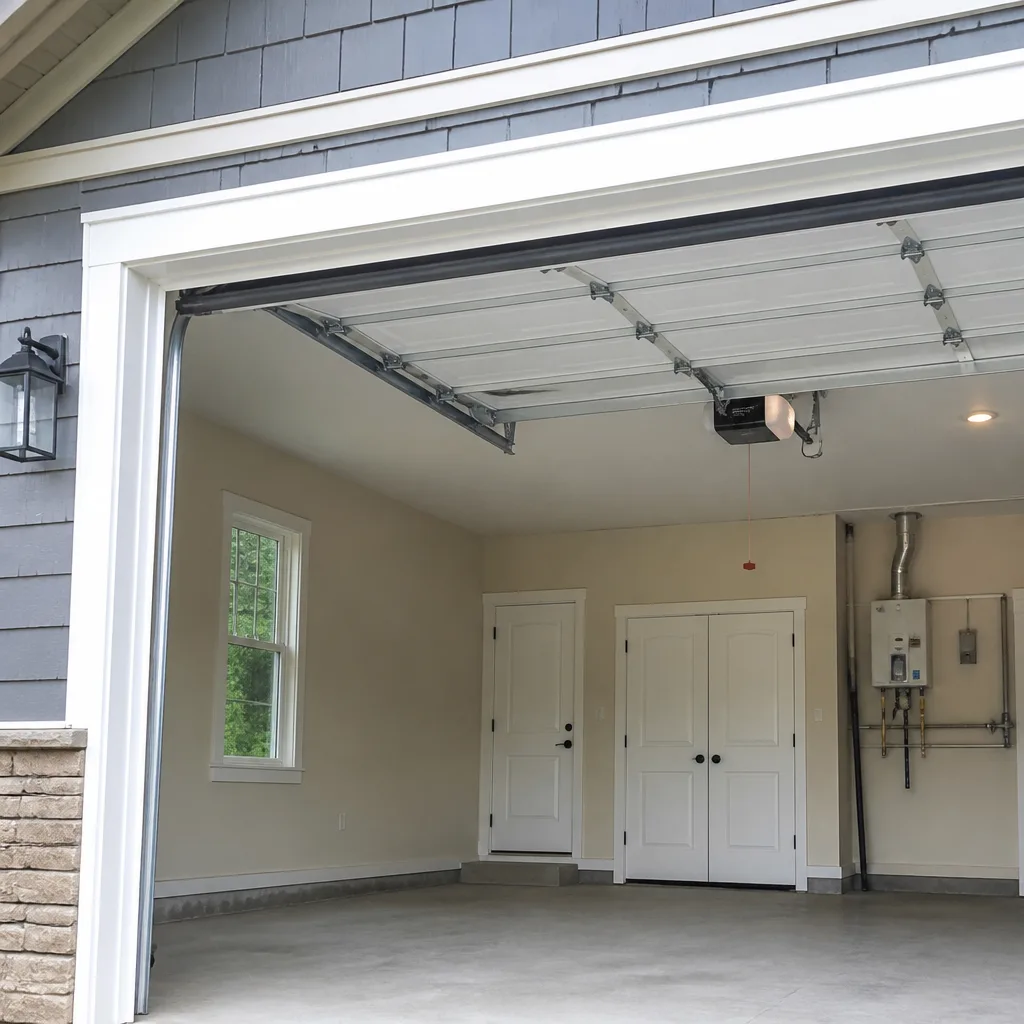
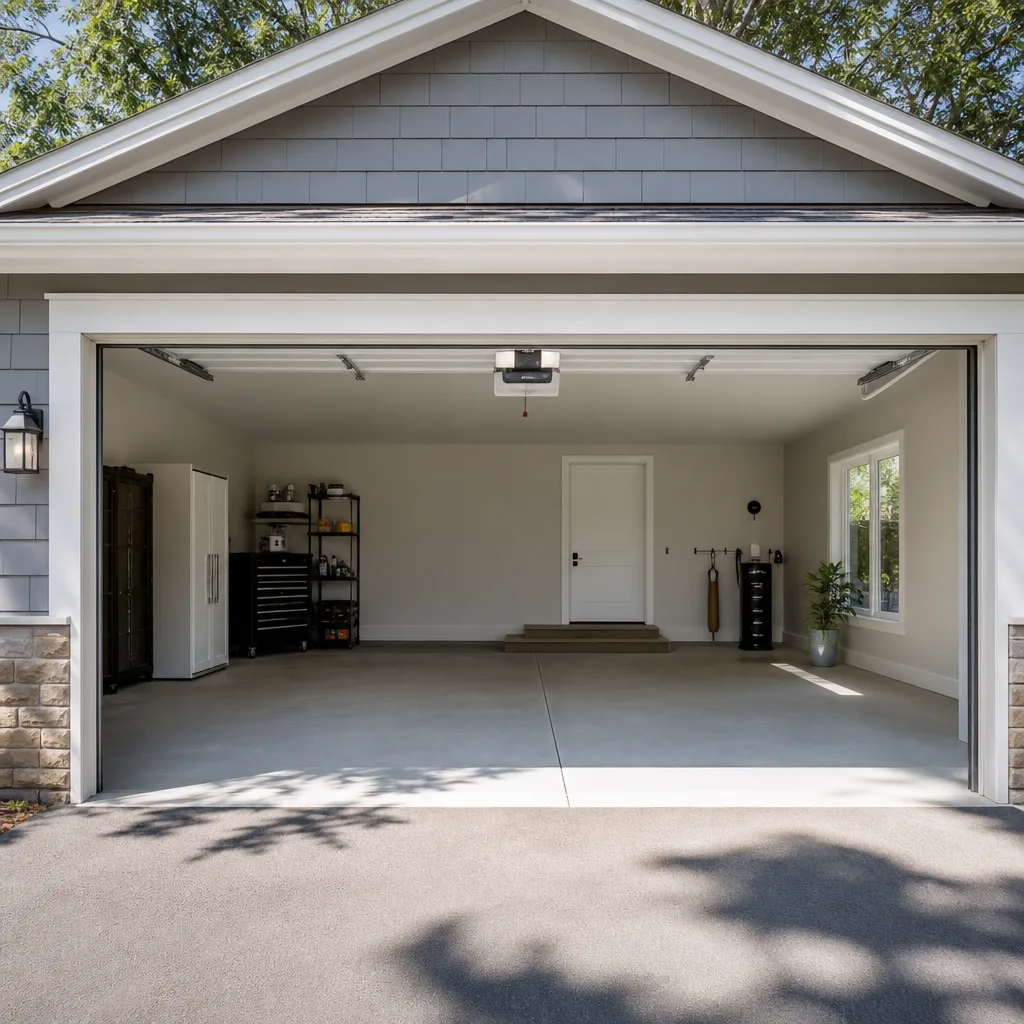
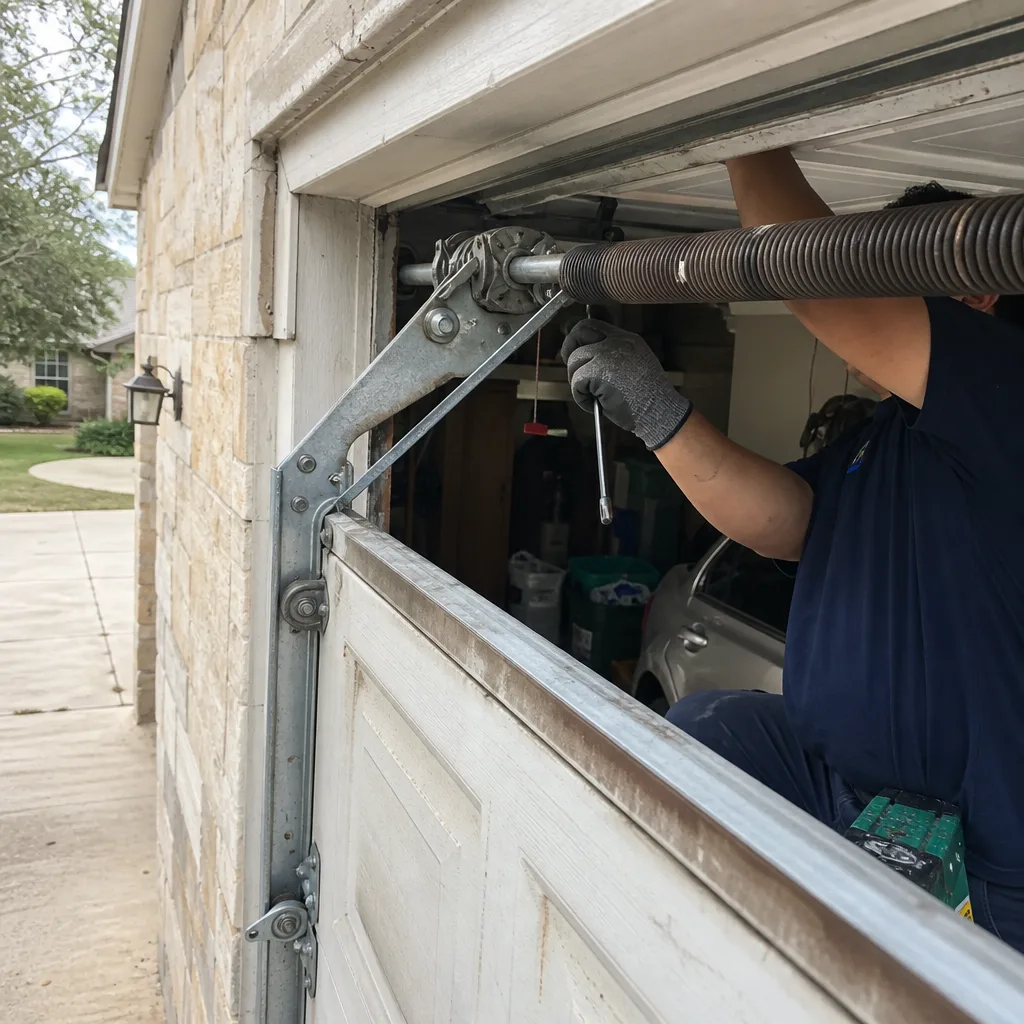 Before
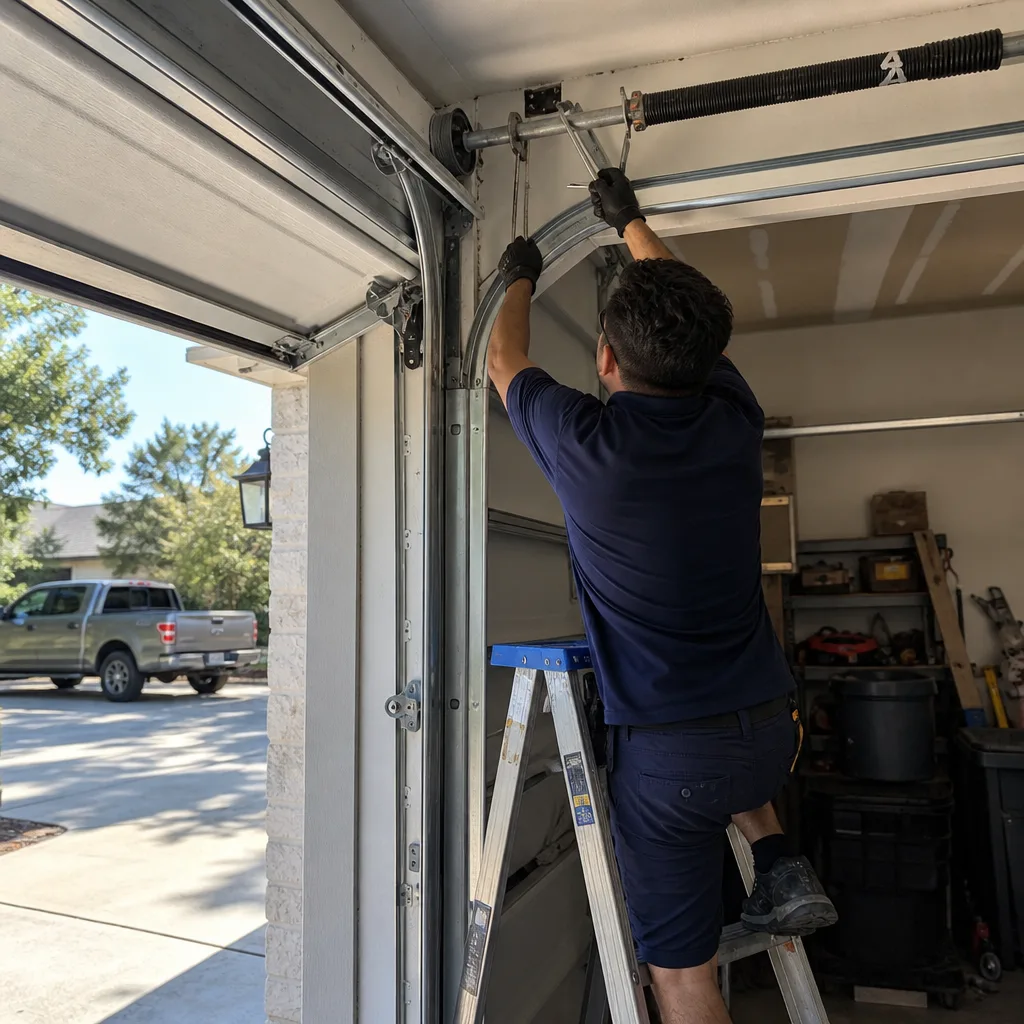 After
After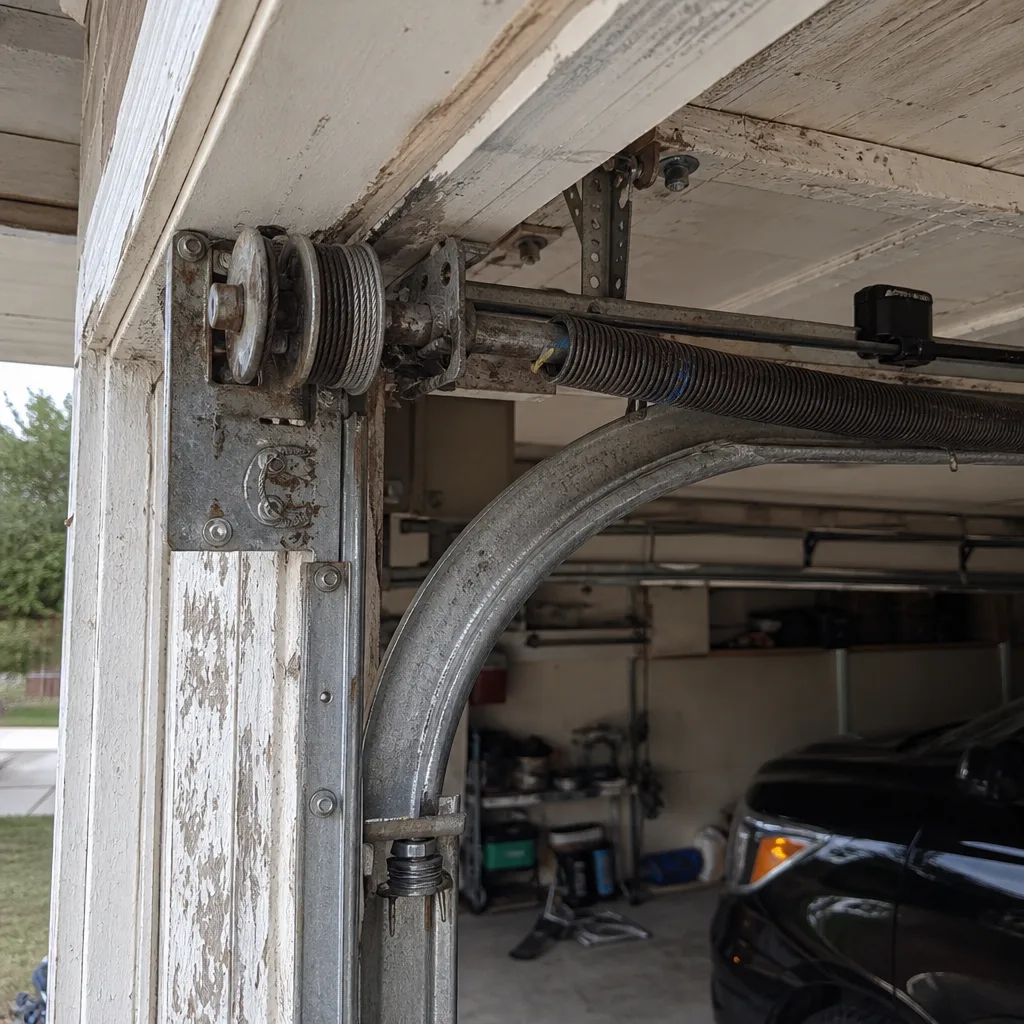 Before
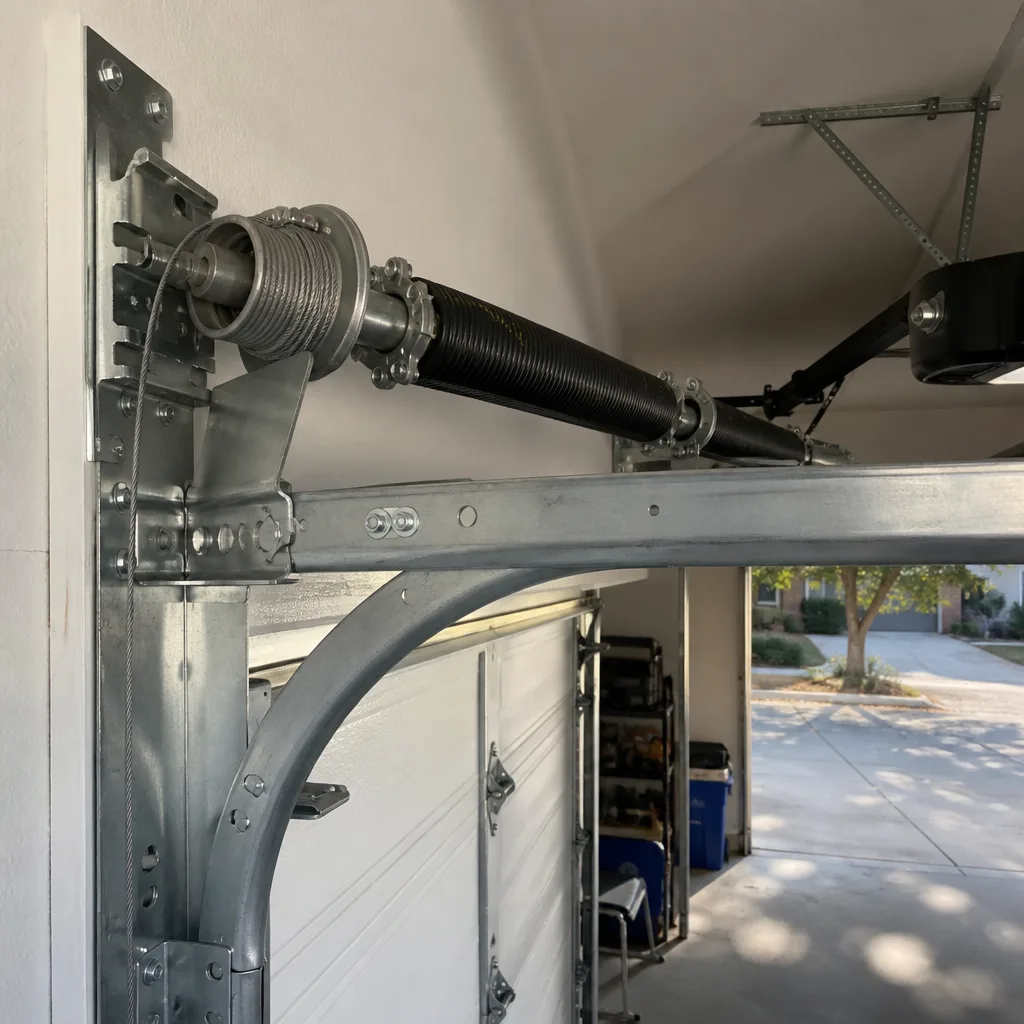 After
After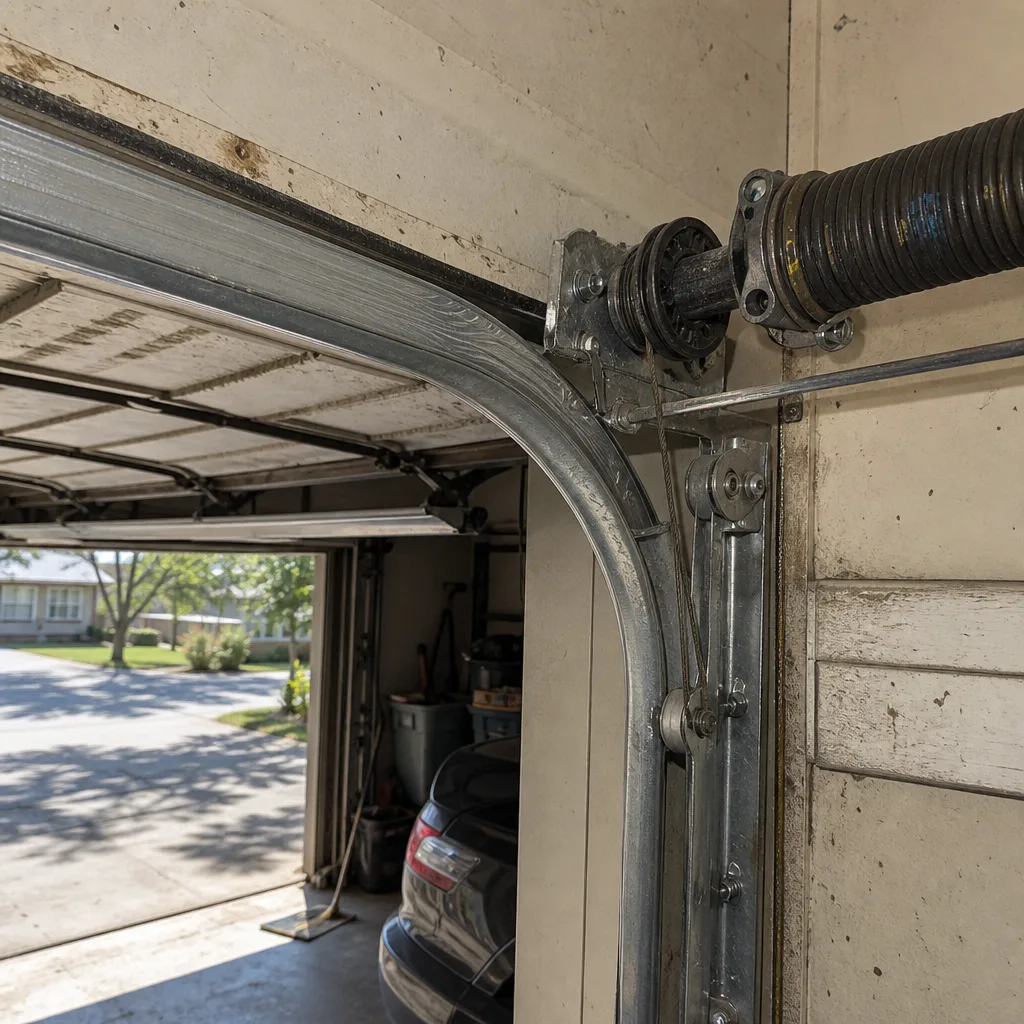 Before
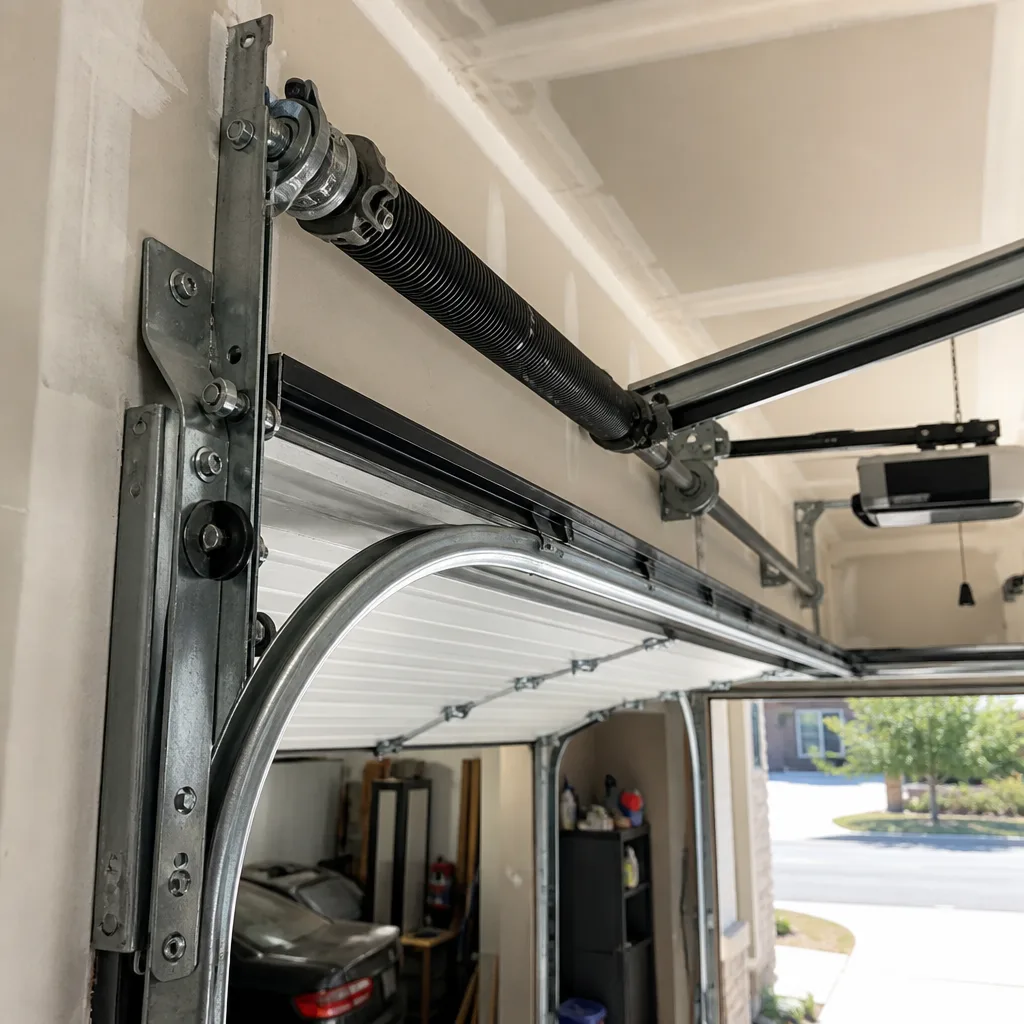 After
AfterGarage Door Warning Signs: A Boerne Homeowner’s Reference Guide
Here’s the truth most guides won’t tell you: the same garage door can show two nearly identical symptoms with opposite urgency levels. A door that reverses before hitting the floor is a calibration issue - schedule it this week. A door that fails to reverse when it strikes an object is a safety system failure - stop using it now. In Boerne’s Hill Country climate, where temperature swings stress metal components daily, knowing this distinction protects both your family and your wallet. This guide ranks every warning sign by response urgency so you know whether to pick up the phone today or simply mark your calendar - or browse our more guides & resources for ongoing maintenance tips.
Quick Answer
The most critical garage door warning signs are: broken or slack cables (stop using immediately), failed auto-reverse safety (stop using immediately), and doors that fall closed when released mid-travel (spring failure - stop using immediately). Moderate urgency signs include grinding or popping noises, slow response from the opener, and weather seal gaps that let Hill Country dust inside. Monitor-but-schedule signs include cosmetic panel damage and minor remote range reduction. When in doubt, a door that behaves unpredictably is always higher risk than one that consistently misbehaves.
Table of Contents
- The Three-Tier Urgency System: How We Rank Every Warning Sign
- Tier 1: Stop Using the Door Immediately
- Tier 2: Schedule Service Within the Week
- Tier 3: Monitor and Address at Next Maintenance
- Why Intermittent Problems Reveal More Than Consistent Failures
- Sounds as Data: Reading the Noise Your Door Makes
- Off-Balance Door: Spring, Cable, or Track Problem?
- Common Mistakes to Avoid
- When to Call a Professional
- Frequently Asked Questions
- The Bottom Line
The Three-Tier Urgency System: How We Rank Every Warning Sign
After 42 years in this trade, we’ve learned that homeowners don’t need more information - they need actionable information. Every warning sign in this guide carries one of three urgency labels. This system came from watching Boerne homeowners delay necessary repairs because they couldn’t gauge risk, and from seeing emergency calls that could have been routine maintenance if caught earlier - which is why we also published Seasonal Garage Door Care for Boerne: Year-Round Homeowner’s Guide to help prevent those situations.
Tier 1 - Stop Using Immediately: The door poses immediate injury risk or catastrophic property damage potential. These involve failed safety systems, broken load-bearing components, or doors that can fall uncontrolled. Continuing to operate the door risks serious harm.
Tier 2 - Schedule Within the Week: The door functions but is degrading. Component failure is likely within days to weeks. These situations can escalate to Tier 1 without warning, especially under Boerne’s temperature stress.
Tier 3 - Monitor at Next Maintenance: The issue affects efficiency, comfort, or long-term durability but presents no immediate safety concern. Schedule with your next seasonal tune-up or within three months.
Our Garage Door Repair in Boerne team uses this same triage system on every service call. The classifications below reflect what we’ve observed specifically in Kendall County homes, from original Fair Oaks Ranch construction to newer builds in Esperanza.
Tier 1: Stop Using the Door Immediately
These four conditions mean the door stays down until a trained technician arrives. No exceptions. The forces involved in a garage door system - particularly the torsion springs - can cause severe injury or death.
Failed Auto-Reverse Safety System
Since 1993, federal law requires all automatic garage doors to reverse direction when encountering resistance. Test this monthly: place a 2×4 flat on the floor where the door meets the ground. If the door does not reverse upon contact, the safety system has failed.
In Boerne, we’ve found this failure particularly common after power surges from Hill Country thunderstorms fry the opener’s logic board. The door may appear to work normally in all other respects. That is what makes this dangerous - the failure is invisible until someone or something is in the wrong place.
What to do: Disconnect the opener using the red emergency release cord. Operate the door manually if needed, keeping hands clear of hinges and cables. Call for service before reconnecting power.
Broken or Detached Spring
A standard residential garage door weighs 150-250 pounds. The torsion spring (or extension springs) carries that entire weight so the opener only needs to manage 10-15 pounds of force. When a spring breaks, the door becomes a free-falling mass.
The sound is unmistakable: a loud bang like a firecracker, often mistaken for a vehicle backfire or transformer explosion. Afterward, the door may feel impossibly heavy, or it may slam closed when released from halfway.
Safety note: Torsion springs store lethal energy. Never attempt replacement yourself. The winding process requires specialized tools and training. In our experience, DIY spring replacement causes more serious injuries than any other home maintenance task.
Cable Off the Drum or Completely Slack
Garage door cables wind around drums at the top of the door, working with the springs to control descent. When a cable jumps its drum - often visible as a loop of cable hanging loose beside the door - the door’s weight is no longer balanced. One side may drop faster than the other, causing the door to bind in the track or fall.
The visual difference matters. A fraying cable shows individual wires breaking and splaying outward; this is Tier 2, schedule soon. A slack or detached cable hangs loose or has left the drum entirely; this is Tier 1, stop immediately. We’ve responded to emergency calls in Mainspring Garage Door Co. home service area where homeowners continued operating with a slack cable, only to have the door jam catastrophically and damage the track, hinges, and panels.
Door Falls or Drops When Released Mid-Travel
With the opener disconnected, a properly balanced door should stay wherever you release it. If it falls closed, the spring system has lost tension or failed. If it rises on its own, tension is excessive. Either condition indicates dangerous spring imbalance.
This test takes ten seconds and reveals more than any visual inspection. We teach it to every Boerne homeowner who asks. But if the door fails the test, that’s the end of your testing. The door stays manual or closed until professional adjustment.
Tier 2: Schedule Service Within the Week
These conditions won’t cause immediate injury but will escalate without intervention. In Boerne’s climate - where summer highs near 100°F and winter lows below freezing create constant thermal cycling - metal fatigue accelerates. What would last a month in San Diego may fail in two weeks here.
Grinding, Popping, or Scraping Noises
See the dedicated section below for detailed sound diagnosis. In brief: any new mechanical noise indicates metal-on-metal contact, worn bearings, or failing rollers. The door still functions, but each cycle causes incremental damage to gears, sprockets, or track surfaces.
Fraying Cables (Still on Drums, Under Tension)
Individual wire strands visible at cable terminations or along the length mean the cable is degrading. It has not yet failed, but the safety margin is shrinking. In Boerne’s dry climate, cable corrosion is less common than in coastal areas, but the thermal expansion from our temperature swings stresses termination points.
Slow or Straining Opener Response
The door moves, but the opener labors, pauses, or moves at half-speed. This often indicates spring tension loss - the opener is compensating for work the springs should handle. The motor draws excess current, overheats, and fails prematurely. We’ve replaced $400 openers that died because a $180 spring adjustment was deferred.
Visible Track Misalignment or Gaps
Rollers should sit centered in the track with minimal side-to-side play. If you can see daylight between roller and track, or if the track itself shows dents or bends from vehicle contact, the door’s path is compromised. Each cycle stresses the hardware. In Fair Oaks Ranch and older Boerne neighborhoods, we’ve seen settling foundations gradually shift track mounting points over decades.
Weather Seal Gaps Allowing Dust, Light, or Pests
The Hill Country generates fine limestone dust that infiltrates garages through compromised seals. This affects stored items and vehicle finishes but presents no structural risk. However, gaps large enough for rodents or snakes become urgent quickly - schedule before the weather drives wildlife to shelter.
Tier 3: Monitor and Address at Next Maintenance
These issues affect function, efficiency, or appearance without creating safety hazards. Schedule with your next Garage Door Opener in Boerne tune-up or seasonal inspection.
- Cosmetic panel dents or scratches: Unless the damage compromises panel structural integrity or creates sharp edges, this is aesthetic. Modern steel doors from Clopay or Amarr resist rust, but deep scratches to the galvanized coating should be touched up to prevent oxidation.
- Reduced remote range: If the remote works from 20 feet instead of 50, the issue is likely interference, weak battery, or antenna degradation. Test with fresh batteries first. Persistent range issues may indicate opener receiver weakness.
- Minor weather seal hardening or cracking: PVC and rubber seals degrade in UV exposure. When cracks allow visible light but not airflow, replacement can wait for scheduled maintenance.
- Slight paint or finish fading: Factory finishes on Wayne Dalton and Craftsman doors typically last 15-20 years in Texas sun. Fading precedes substrate protection failure by several years.
- Opener light bulb out: Replace yourself. If the socket has failed, schedule with next service.
Why Intermittent Problems Reveal More Than Consistent Failures
This is the section most warning sign guides omit entirely. They treat a door that “sometimes works” as less serious than one that “never works.” In our experience across Boerne and Kendall County, the opposite is true.
A door that consistently fails in the same way usually has a single, identifiable failed component. Diagnosis is straightforward. A door that works nine times and sticks once - or that behaves differently at 7 AM versus 7 PM - is telling you something more complex about system interaction, thermal effects, or progressive wear.
Intermittent patterns we see in Boerne homes and what they indicate:
- Works in cool morning, sticks in afternoon heat: Metal expansion is changing clearances. Track alignment, roller fit, or opener force settings are near tolerance limits. The door will soon fail consistently.
- Reverses randomly, then works fine: The safety sensors are misaligned by a fraction of a degree. Morning sun angle, vibration from passing vehicles, or thermal expansion shifts the beam path intermittently. This is a sensor mounting issue, not a logic board failure.
- Opener engages but door doesn’t move, then works on second try: The trolley or carriage is slipping on the screw or chain. The engagement mechanism is worn and will fail completely, often at the worst moment.
- Loud noise once, then normal operation: A roller has flat-spotted or a bearing has seized momentarily. The component is damaged and will repeat, progressively worsening.
- Door stops at same point, then continues: A damaged track section or obstructed roller is creating a hard spot. The opener’s force setting is overcoming the obstruction, masking track damage that will eventually cause derailment.
When you call Garage Door Repair in Boerne about an intermittent issue, note the time of day, temperature, and exact behavior. This diagnostic information shortens repair time and prevents the frustration of a technician arriving to a door that “works fine now.”
Sounds as Data: Reading the Noise Your Door Makes
Your garage door is a mechanical system with moving parts in known relationships. Each component produces characteristic noise when distressed. Learning to listen prevents misdiagnosis and unnecessary parts replacement.
Grinding (low-frequency, continuous during travel):
This indicates metal sliding against metal without lubrication or with failed bearings. Most commonly: rollers with seized bearings grinding in the track, or a trolley sliding dry on a screw drive. The pitch is low because the contact surface is broad. In Boerne’s dusty environment, grit infiltration accelerates bearing failure. Grinding that worsens over days to weeks confirms progressive wear, not a single obstruction.
Popping or Banging (sharp, at specific points in travel):
A pop at the same vertical position every cycle means a roller is binding in a track defect, or a hinge pin is walking out. A pop at the top of travel often indicates a spring coil binding against itself - the spring is failing and sections are contacting under load. This sound demands prompt inspection; spring failure typically follows within days to weeks.
Scraping or Squealing (high-frequency, metal-on-metal):
The door or opener components are contacting where they shouldn’t. Check for loose track mounting brackets allowing track-to-door contact, or a bent track edge scraping a roller flange. Squealing from the opener motor itself indicates worn motor bearings - the opener is nearing end of life.
Rattling (loose, irregular, throughout travel):
Hardware is loose. Hinge bolts, track fasteners, or opener mounting hardware have vibrated free. This is the simplest fix but can cause cascading damage if ignored - a loose track bracket allows misalignment that wears rollers and binds the door.
Clicking without movement:
The opener is receiving command but cannot transfer power. Stripped gears in the opener head, a broken trolley, or a disconnected chain/belt. The motor runs but the drive system does not. This is distinct from humming without movement, which indicates a locked rotor - the motor cannot turn due to mechanical overload.
Off-Balance Door: Spring, Cable, or Track Problem?
An off-balance door presents unevenly: one side higher than the other, gaps visible between door and floor, or the door binding in the track. Three distinct causes produce similar appearance but require different repair approaches. Misdiagnosis leads to replacing the wrong component.
Spring Problem:
Torsion springs are mounted above the door on a steel shaft. Each spring lifts one side of the door. When one spring breaks or loses tension, that side drops. The door appears crooked in the opening and binds in the track. Test: disconnect the opener and lift manually. If one side feels dramatically heavier, or if the door tilts consistently to one side, suspect spring imbalance. Spring problems are never DIY-appropriate - the stored energy is lethal.
Cable Problem:
Cables transfer spring force to the door’s bottom brackets. A fraying cable that has stretched, or a cable that has slipped on its drum, creates uneven lift. The door may appear level when closed but tilt during travel, or may sit level but require excessive force to lift. Visually inspect cables at rest: they should be taut and parallel. A cable with visible slack or unequal tension indicates the problem. Cable replacement requires releasing spring tension and is not homeowner work.
Track Problem:
Vertical tracks must be plumb and parallel. Horizontal tracks must be level and properly spaced. When tracks shift - from vehicle impact, loose mounting, or foundation settling - the door’s rollers bind rather than roll. The door may appear off-balance because it is physically obstructed, not because lift forces are uneven. Test: observe whether the door tilts consistently (spring/cable) or whether it travels straight until contacting a specific point in the track (track problem). Track realignment is precision work; improper adjustment causes accelerated wear and safety hazards.
In Boerne’s Hill Country terrain, foundation movement is more common than in flat regions. We’ve realigned tracks in homes near the Cibolo Creek watershed where seasonal soil moisture changes shifted garage slabs. The track problem mimicked a spring issue until we measured rather than assumed.
Common Mistakes to Avoid
- Ignoring intermittent problems until they become constant: In our experience, the intermittent phase is your diagnostic window. Once failure is consistent, the underlying cause may have damaged secondary components, turning a simple adjustment into a multi-part repair.
- Adjusting opener force settings to overcome mechanical resistance: This masks the real problem and strains the opener motor. We’ve replaced openers that died prematurely because homeowners repeatedly increased force instead of fixing binding tracks or failing springs.
- Applying lubricant to all surfaces indiscriminately: The track itself should never be lubricated - it collects dust and grit, accelerating roller wear. Lubricate hinges, rollers bearings (not the tread), and spring coils only. Use silicone or lithium-based products, not WD-40, which attracts debris.
- Testing the auto-reverse with hands or feet: Use a solid object like a 2×4. Testing with body parts risks injury if the safety system has already failed.
- Assuming all grinding noises mean the opener is failing: Opener replacement is expensive. Many “opener problems” are actually door balance or track issues causing the opener to struggle. Diagnose the door system first.
- Deferring maintenance because the door “still works”: In Boerne’s climate, a seasonal tune-up catches wear before it causes failure. Our $89 Seasonal Tune-Up includes balance testing, safety system verification, and hardware inspection - less than most emergency call premiums.
When to Call a Professional
Call when any Tier 1 condition is present, when Tier 2 symptoms persist more than 48 hours, or when you cannot confidently distinguish between the three categories. The cost of a service call is modest compared to injury, property damage, or the cascading repairs that follow component failure - all topics covered in depth in The Complete Guide to Garage Door in Boerne.
Specific scenarios that warrant immediate professional assessment: any door that falls when released, any safety system that fails the 2×4 test, any cable that has left its drum, and any spring that shows visible coil separation or rust. In Boerne’s variable climate, these conditions deteriorate faster than many homeowners expect.
Mainspring Garage Door Co. offers free estimates in Boerne - call (830) 365-0775. Our technicians arrive with springs, cables, and openers on the truck, and we state the flat price before any work begins. Most repairs are completed in a single visit. The 90-Day Done Right Promise covers every job in writing: if it’s not right, we return at no charge.
Frequently Asked Questions
Most common repairs in the Boerne market range from $180 for cable replacement to $340 for spring replacement, with opener repairs typically between $200 and $400 depending on component failure. We provide exact quotes after inspection, and the price is agreed before work starts - no surprises on the bill. Call (830) 365-0775 for a free estimate.
No. Torsion springs store enough energy to cause serious injury or death during removal or installation. The winding process requires specialized tools and training that cannot be safely improvised. We have responded to emergency calls in Boerne where DIY attempts resulted in emergency room visits. This repair is strictly professional work.
Thermal expansion from temperature change is shifting component clearances or sensor alignment. In Boerne’s climate, afternoon heat can expand metal tracks by fractions of an inch, enough to cause binding if rollers or alignment are near tolerance limits. This intermittent pattern indicates progressive wear that will soon become constant failure - schedule inspection within the week.
Annual service is adequate for most residential doors in moderate climates. In Boerne, with our temperature extremes and limestone dust, we recommend seasonal inspection - ideally before summer heat and before winter cold stress the system. Our $89 Seasonal Tune-Up includes balance testing, safety verification, and hardware tightening.
No. We state the flat price before any work begins. The only exception is if concealed damage is found - for example, a panel or track damage hidden until the door is disassembled - and we discuss any additional work before proceeding. You approve every dollar. That is how we’ve operated since 1984.
Our trucks are stocked with springs, cables, rollers, and openers compatible with all major manufacturers including Clopay, Amarr, Wayne Dalton, and Craftsman. Most repairs are completed in a single visit without waiting for parts. For Garage Door Installation in Boerne or specialty orders, we source directly from factory distributors with typical lead times of 3-5 business days.
The Bottom Line
Garage door warning signs are not equally urgent. The same symptom - a reversing door, a noisy track, an uneven close - can mean schedule soon or stop immediately depending on the underlying cause. Use the three-tier system in this guide to make practical decisions. Test your door monthly: auto-reverse with a 2×4, balance with a manual lift, visual inspection for cable and spring condition. When uncertainty remains, err toward caution. A door that behaves unpredictably is more dangerous than one that consistently fails, because unpredictability prevents safe adaptation. In Boerne’s demanding climate, preventive attention costs less than emergency response, and a square deal from a local shop that stands behind its work costs less than the cheapest bid from a company that won’t answer next year.
Written by Carl Dutton, Owner at Mainspring Garage Door Co., serving Boerne since 2016.